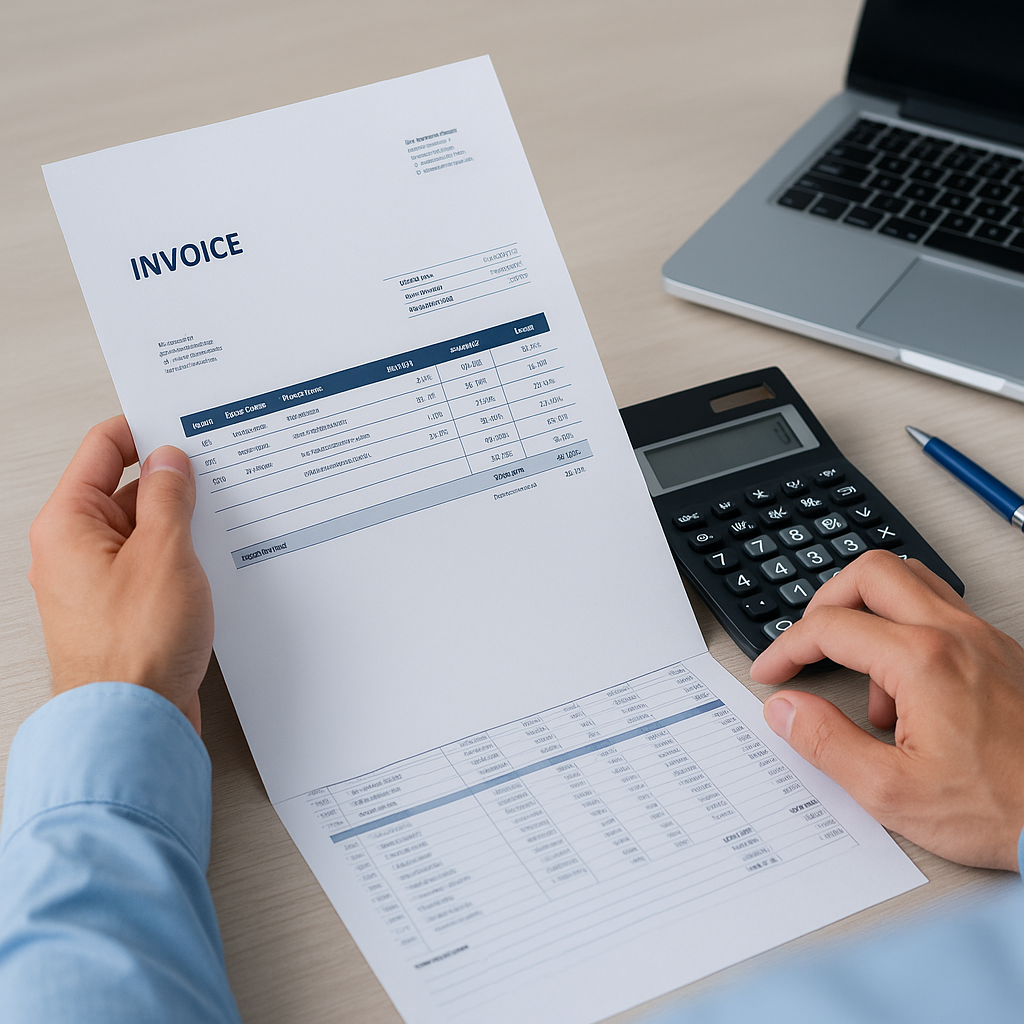
What Is Invoice Number and Why It’s Important for Your Business
2025-10-25
Introduction
Every business depends on clear records to understand how money moves in and out. Invoices are part of that record, but the most important detail on each one is often ignored, the invoice number. This simple number is more than a label; it’s the key to keeping your business finances accurate and easy to follow. It helps you know exactly which customer was billed, what payment was made, and when it happened. Without a proper numbering system, even small businesses can lose track of transactions or face confusion when reviewing payments later.
Understanding how invoice numbers work helps you handle everyday business tasks more smoothly. They make it easier to track payments, manage cash flow, and prepare for taxes. Knowing what is invoice number in detail can also help you set up a clear system that keeps your records accurate and your business well-organized.
What Is an Invoice Number
An invoice number is a unique identifier added to each invoice to tell it apart from others. It can be a mix of numbers and letters for example, INV-001 or 2025-10-15 depending on your system.
This small code lets you quickly find any transaction details, whether you’re checking a payment date or reviewing a client’s record.
When invoice numbers are added manually, small mistakes can happen you might skip or repeat a number without noticing. Over time, this creates confusion and missing links in your records.
That’s why many businesses now use e invoicing software that automatically generates unique numbers for every invoice. It keeps everything in order, saves time, and helps you retrieve any record in seconds.
Why Do Businesses Use Invoice Numbers
As a business grows, so does the number of customers and payments. Without a clear way to mark each invoice, it can be hard to know who has paid, what’s still pending, or which record belongs to which client. That’s why invoice numbers are essential; they bring order to your records and make it easy to trace every transaction when needed.
Here’s how invoice numbers make business management easier:
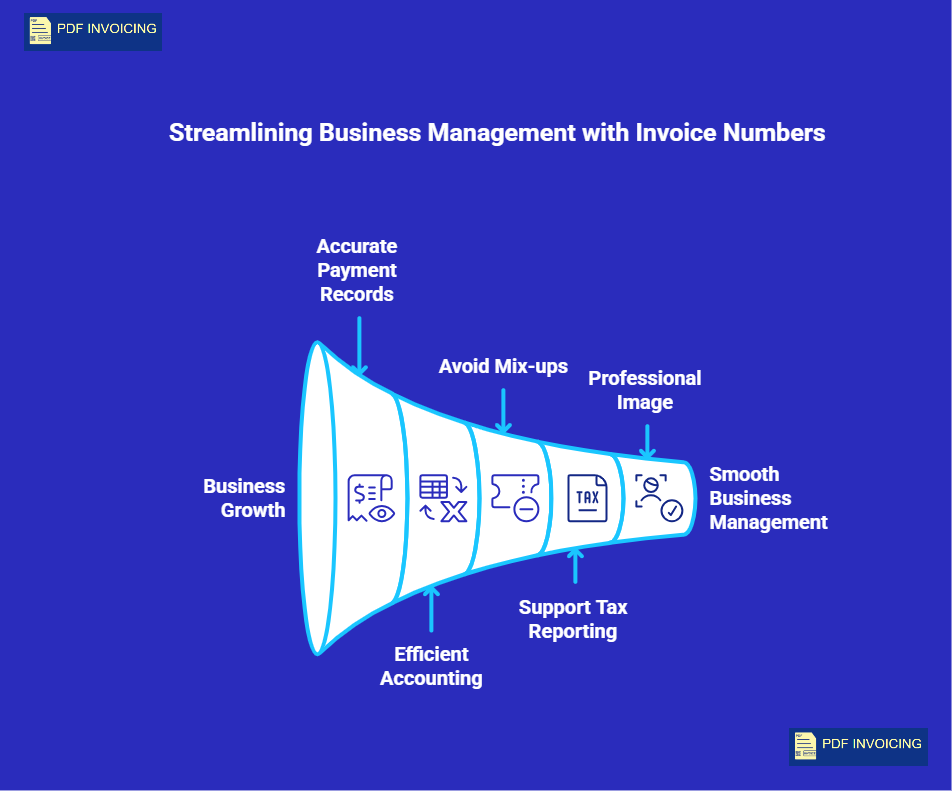
- Keep payment records accurate: Quickly see which invoices are paid and which are still open.
- Save time in accounting: Makes it easier for you or your accountant to match payments and records.
- Avoid mix-ups: Each invoice has its own number, so you never confuse one client’s bill with another.
- Support tax reporting: Clear numbering helps during audits and makes tax filing smoother.
- Show professionalism: Well-organized invoices reflect a business that values accuracy and trust.
For even smoother management, many companies now use an invoice number generator that automatically creates and tracks unique invoice numbers. It’s a simple digital solution that keeps your billing process accurate and effortless.
Simple Ways to Set Up Your Invoice Numbers
There isn’t one fixed rule for how invoice numbers should look. The best method depends on how your business works and how many invoices you send. What matters most is keeping the format simple and consistent so you can easily find and track every record later.
Here are some easy and reliable formats to try:
- Sequential order: Start with 001, 002, 003, and so on. This is ideal for small businesses that issue fewer invoices each month.
- Date-based format: Example 2025-10-001. It helps you remember when an invoice was created and keeps records organized by month or year.
- Client-based code: Example ABC-001. Useful for identifying which client an invoice belongs to, especially if you work with many customers.
- Project-based code: Example PROJ1-001. Perfect when managing multiple projects at once.
Whichever format you choose, follow it consistently across all your e invoices. A clear numbering system helps you stay organized, avoid confusion, and save time when checking payments or preparing reports
Benefits of a Clear Invoice Number System
A clear invoice numbering system may seem ordinary, but it plays an important role in keeping your business organized. When every invoice follows a consistent format, it becomes easier to track payments, review past records, and avoid small mistakes that can lead to confusion later.
Here’s why it’s so useful:
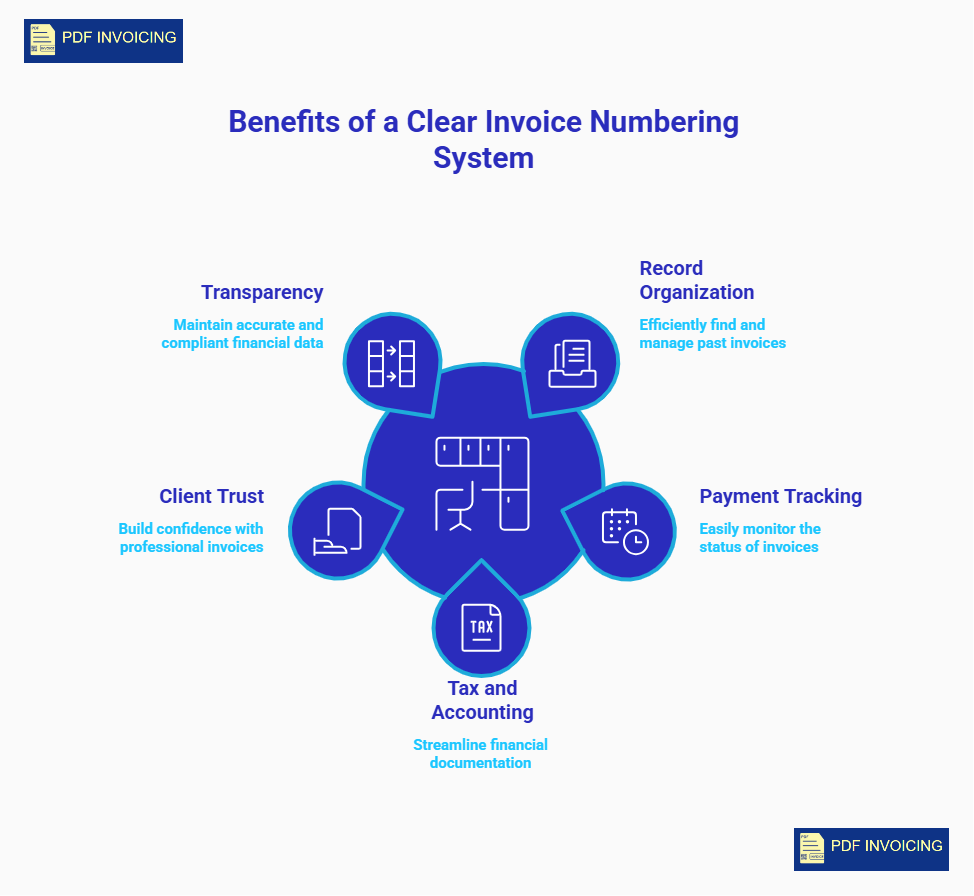
- Keep your records organized: Find past invoices quickly, whether you’re checking last month’s earnings or a client’s payment history.
- Prevents payment issues: Unique numbers make it simple to confirm which invoices are paid, pending, or overdue.
- Simplifies tax and accounting work: Well-numbered invoices make documentation smoother for you and your accountant.
- Builds client trust: Neatly formatted invoices with clear numbering look professional and help clients refer to specific bills easily.
- Supports transparent practices: Consistent numbering keeps financial data accurate and compliant with business standards.
To make this process even easier, you can Create PDF E-Invoices online using automated tools that manage numbering and formatting for you.
Why Invoice Numbers Are Important for Legal and Tax Records
Invoice numbers are not just for staying organized they are also essential for meeting legal and tax requirements. Every business, no matter its size, must be able to show proof of its transactions. A proper numbering system keeps this process smooth and reliable.
Here’s why it’s so important:
- Supports tax filing: Accurate invoice numbers help match every sale and payment, making tax filing faster and error-free.
- Ensures transparency during audits: If your business is ever audited, invoice numbers create a clear paper trail showing that all income is reported correctly.
- Protect your business legally: Invoices serve as proof of an exchange between you and your client. Missing or duplicate numbers can cause confusion or disputes.
- Builds trust and credibility: A structured numbering format shows that your business follows ethical and professional practices.
- Supports compliance with new tax systems: Many regions now follow the e-invoicing requirement to improve accuracy and transparency. Understanding these rules early helps you stay compliant and avoid penalties.
Looking for a quick way to set up easy invoice numbers?
PDF invoicing makes it easy to create and manage your invoice numbers in just a few clicks. You don’t have to worry about writing numbers by hand or keeping messy records. The tool automatically gives each invoice a unique number, organizes them neatly, and lets you download professional PDF files in seconds. It saves time, reduces errors, and helps you keep every payment record in one place and the best part is, it’s completely free to use.
Conclusion
Having a proper invoice numbering system helps you keep your business finances clear and easy to manage. It gives every sale and payment a place, so nothing gets lost or mixed up. When your invoices are well-organized, it becomes simple to check past records, handle taxes, and understand how your business is doing at any time. Small steps like this create a big difference in how confidently you manage your money.
As your business grows, manual work can easily lead to mistakes. That’s why many businesses now prefer digital invoicing tools that automatically create and manage invoice numbers. It’s an easy way to save time, stay accurate, and keep all your records ready when needed. A clear numbering system not only helps you stay organized but also gives you confidence that your business finances are always in order.
Frequently Asked Questions (FAQs)
1. What makes an invoice number valid or correct?
An invoice number is correct when it is unique, organized, and easy to read. Every invoice you send should have a different number so there’s no confusion between payments. A clear numbering system helps you find any old invoice quickly, check payment history, or share details with your accountant when needed.For example, you can use a simple pattern like INV-001 or 2025-001. The numbers should go in order 001, 002, 003, and so on.
This step may look small, but it keeps your business records clean, builds customer trust, and prevents mistakes in billing or tax filing.
2. Can I change an invoice number after sending the invoice?
You should avoid changing an invoice number once it’s sent to a customer or added to your accounts.Changing numbers later can cause confusion in reports, tax records, or audits. It might even make it look like you’re hiding or editing old records.If you find a mistake, it’s better to cancel the wrong invoice and create a new one with a correct number instead of editing the old one.
Most businesses use digital invoicing tools that automatically manage invoice numbers and track every update safely, so you don’t have to worry about errors.
3. How can I make sure my invoice numbers stay organized automatically?
You can easily keep your invoice numbers in order by using e-invoicing software or an automated invoice tracker. These tools give each new invoice the next available number automatically, no need to remember or write it yourself. This helps you stay organized and saves time, especially when you have many clients or issue invoices often. Automation also reduces the chance of duplicate or missing numbers.